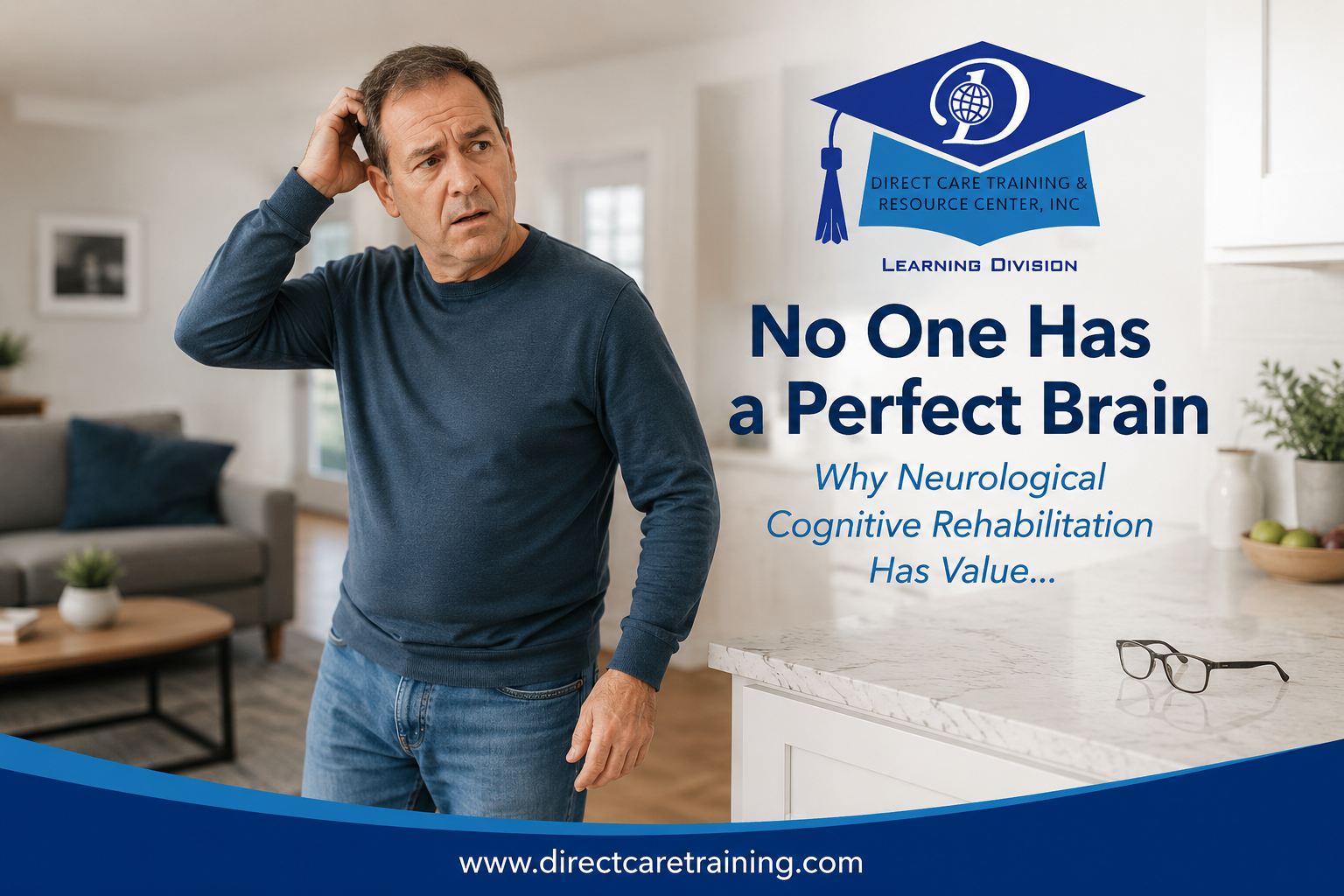
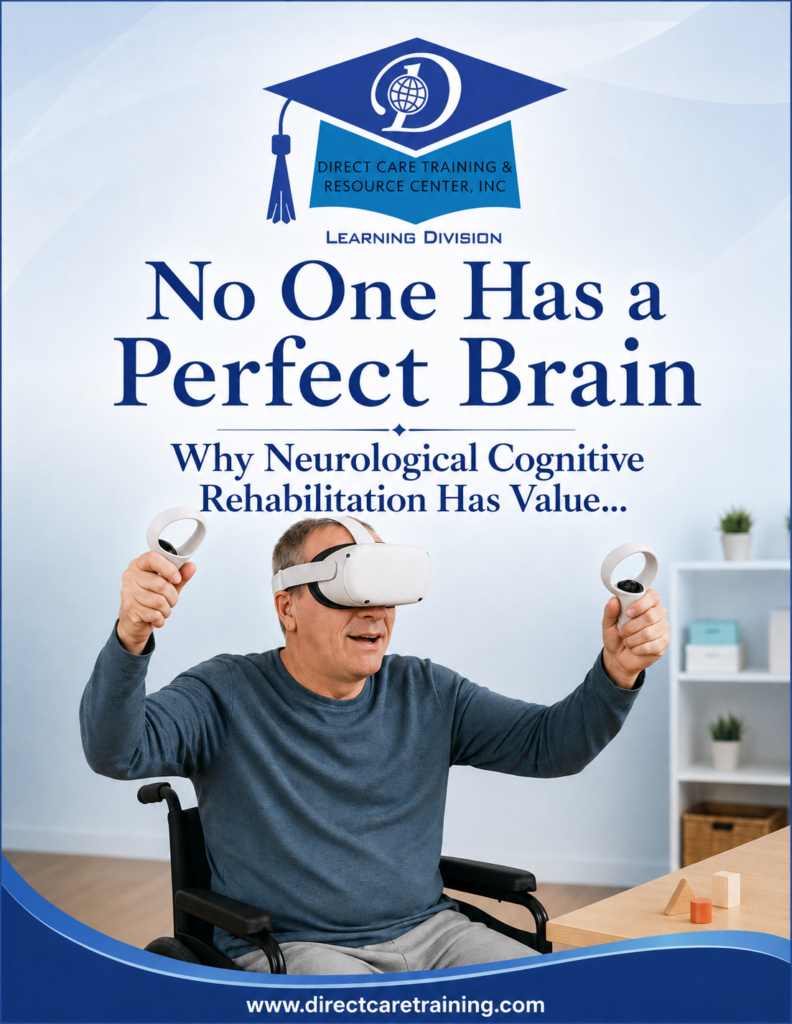
No one has a perfect brain. Every person, regardless of age, health history, or background, has areas of cognitive strength and areas where things slip a little — a name that takes a moment too long to surface, a string of directions that gets jumbled, a thought that drifts mid-sentence. For most people, these moments are minor and forgettable. But for individuals recovering from a stroke, traumatic brain injury, or living with early-stage cognitive decline, those small slips can multiply, affecting independence, confidence, and quality of life. The good news is that the brain remains capable of change — a property called neuroplasticity — well beyond childhood, and a structured cognitive day rehabilitation program is one of the most effective ways to put that capacity to work.
What Is a Cognitive Day Rehabilitation Program?
A cognitive day rehabilitation program is an outpatient service in which participants attend structured sessions — often several hours, a few days each week — built around exercises designed to strengthen specific mental skills. Unlike generic “brain games” available on a phone or tablet, a true rehabilitation program begins with a neurologist or neuropsychologist evaluating each participant’s current abilities: memory, attention, language, problem-solving, and processing speed. From that evaluation, an individualized plan of exercises is created, and progress is tracked and adjusted over time by the clinical team.
Why Neurologist-Directed Exercise Matters
The involvement of a neurologist is what separates a rehabilitation program from casual mental exercise. A neurologist can identify precisely which networks in the brain are underperforming — whether the issue is primarily with short-term memory encoding, sustained attention, word retrieval, or executive functions like planning and sequencing. Exercises can then be matched to that specific profile; much the way a physical therapist targets a particular muscle group after an injury rather than prescribing a generic workout. This targeted approach means effort is spent where it will have the greatest impact, and medical oversight ensures that any underlying conditions — medication side effects, sleep issues, mood changes — that might be affecting cognition are identified and addressed alongside the cognitive work itself.

The Memory and Information Retention Advantage
Memory is often the area people notice first, and it is also one of the most responsive to structured practice. Cognitive rehabilitation programs commonly use techniques such as spaced retrieval (recalling information at gradually increasing intervals), chunking (breaking information into manageable pieces), and association strategies that link new information to something familiar. Repeated practice of these techniques, under the guidance of a clinician who can tell when a strategy is working and when it needs to be adjusted, helps participants build durable habits rather than one-time tricks. Over weeks and months, many participants find they retain names, appointments, instructions, and daily routines more reliably — improvements that translate directly into greater independence at home.
Beyond Memory: Attention, Speed, and Everyday Function
While memory tends to get the most attention, cognitive day rehabilitation also targets the skills that memory depends on. Sustained attention exercises help participants stay focused on a task without losing their place. Processing-speed drills help the brain handle information more quickly, which reduces the fatigue that comes from working harder to keep up. Executive function exercises — planning a sequence of steps, switching between tasks, or solving a problem with multiple parts — support the kind of everyday functioning that allows someone to manage medications, follow a recipe, or handle a conversation with several people at once.
Confidence, Connection, and Consistency
The benefits of a structured program extend beyond the exercises themselves. Attending a day program on a regular schedule provides social interaction, which research consistently links to better cognitive outcomes and reduced risk of depression. Working alongside others facing similar challenges can reduce the isolation and frustration that often accompany cognitive change. And the structure of a recurring program — the same days, the same routine, the same supportive faces — reinforces the very skills being practiced, turning the program itself into a form of cognitive exercise.

The Bottom Line
Because no one has a perfect brain, there is no shame in needing support to keep one’s mind working as well as it can. A neurologist-directed cognitive day rehabilitation program offers something a self-directed approach cannot: an individualized plan grounded in a clinical understanding of how a particular brain is functioning, exercises matched to that profile, and a team that adjusts the plan as progress is made. For individuals recovering from injury, illness, or simply navigating the normal changes that come with aging, that combination of structure, expertise, and consistency can make a meaningful difference — not just in test scores, but in the everyday moments of remembering, focusing, and connecting that make up a life.
For more information about cognitive day rehabilitation programs and referral options in your area, speak with your physician or care team about a neurological evaluation. You may email us using: onlinelearning@directcaretraining.com
If you look to coach in Neurological Cognitive Rehabilitation under the supervision of guiding professionals, this learning product will have value: https://direct-care-training-on-line-learning.thinkific.com/courses/NeuroCogProgramAidTraining

Another Blog Post by Direct Care Training & Resource Center, Inc. Photos used are designed to complement the written content. They do not imply a relationship with or endorsement by any individual nor entity and may belong to their respective copyright holders.
| Follow us in the Social Stratosphere… | ||||
|


