
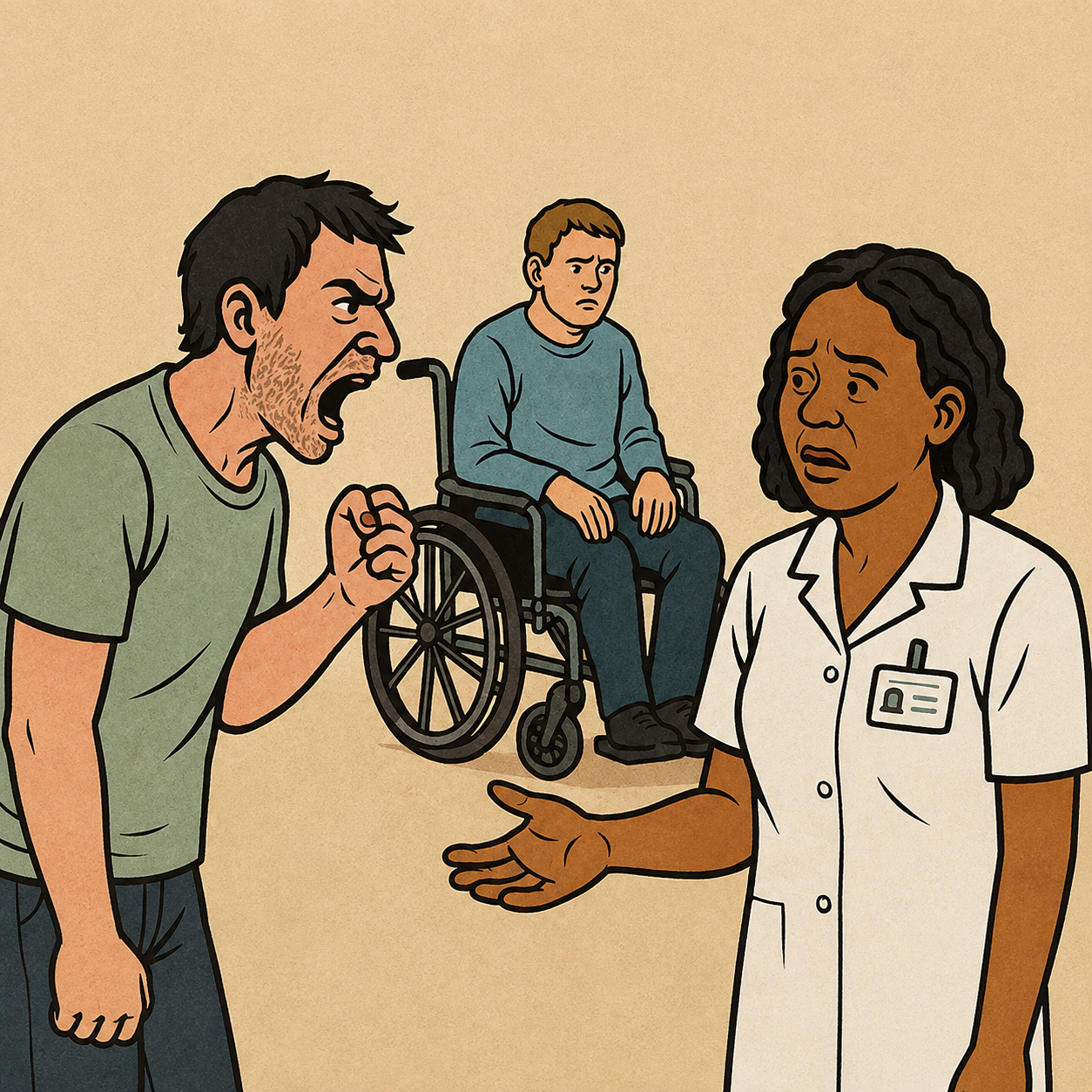
Traumatic brain injury does not resolve on a fixed timeline, and Michigan’s No-Fault framework is structured to reflect that. Under MCL 500.3107(1)(a), allowable expenses are those reasonably necessary for a claimant’s care, recovery, or rehabilitation, a standard tied to ongoing clinical need rather than time elapsed since the date of loss. For TBI patients presenting with significant behavioral sequelae — impulsivity, aggression, impaired judgment, or resistance to supervision — that clinical need frequently persists or intensifies well beyond the acute and subacute phases of recovery.
Behavioral dysfunction following TBI is among the most disabling and least predictable domains of the injury. Unlike orthopedic pathology, which typically follows a defined healing trajectory, executive dysfunction and emotional dysregulation can remain chronic, with direct safety implications: medication non- adherence, unsafe decision-making regarding driving or independent activity, conflict with caregivers and providers, and elevated risk of self-harm or harm to others. Long-term case management functions as the coordinating mechanism for this risk, integrating input from PM&R, psychiatry, attendant care, and vocational rehabilitation into a single, longitudinal clinical record rather than leaving any one provider to assess the full behavioral picture in isolation.
Andary v. USAA (512 Mich 207, 2023) reaffirmed that family-provided and long-term attendant care remain compensable under Michigan No- Fault when medically substantiated, underscoring that sustained oversight is a documented clinical requirement rather than an elective convenience. For TBI patients with a documented behavioral component, case management supplies the continuity of observation, the contemporaneous documentation, and the clinical rationale insurers and courts require to evaluate whether services remain reasonable, necessary, and causally related to the injury — criteria that render case management not merely beneficial, but frequently indispensable to defensible long-term care. – End.

Another Blog Post by Direct Care Training & Resource Center, Inc. Photos used are designed to complement the written content. They do not imply a relationship with or endorsement by any individual nor entity and may belong to their respective copyright holders.
| Follow us in the Social Stratosphere… | ||||
|


